### Sencha Tea – Detailed Description
Sencha (煎茶) is the most popular and most consumed tea in Japan – it accounts for about 60–70% of all tea produced there. It is the classic everyday green tea of Japan.
#### Key Characteristics
- Type: Steamed green tea (non-oxidized)
- Oxidation: Almost 0%
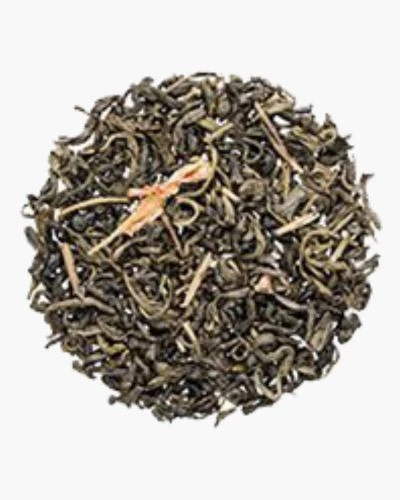
- Color of leaves: Deep, glossy needle-like green
- Color of brewed tea: Bright yellowish-green or emerald green
- Aroma: Freshly cut grass, seaweed, spinach, lemon zest
- Taste: Refreshing, grassy-vegetal, balanced sweetness + astringency, clean finish with light umami
- Caffeine: ~30–40 mg per cup (moderate)
- Best seasons: First flush (shincha/ichibancha) in April–May is the most prized
#### Grades of Sencha (from highest to lowest)
| Grade | Description | Price range |
|----------------|-----------------------------------------------------------------------------|-------------|
| Shincha | Very first harvest (first 1–2 weeks), extremely fresh, limited quantity | Very high |
| Ichibancha | First flush (main spring harvest) – highest quality | High |
| Nibancha | Second flush (summer) – slightly stronger, cheaper | Medium |
| Sanbancha/Bancha | Third/fourth harvest or coarser leaves – everyday grade | Low |
| Fukamushi-sencha | Deep-steamed (2–3× longer steaming) → richer body, less astringency, cloudy green liquor | Varies |
#### Famous Sencha Regions in Japan
1. **Shizuoka** (Yabukita cultivar dominates) – 40% of Japan’s tea, balanced flavor
2. **Uji (Kyoto)** – aromatic, elegant, slightly sweeter
3. **Kagoshima** – early harvest, bold and fresh
4. **Mie (Ise)** – rich umami
5. **Yame (Fukuoka)** – premium Gyokuro region, but also excellent Sencha
#### Popular Cultivars for Sencha
- Yabukita (75% of all Japanese tea) – well-balanced, reliable
- Okumidori – sweet, deep umami
- Saemidori – bright green color, fresh
- Asatsuyu – “natural Gyokuro”, very fragrant
- Kanayamidori – floral and delicate
#### How Sencha Is Made (Typical Process)
1. Spring plucking (mostly 1 bud + 2–3 leaves)
2. Immediate steaming (20–150 seconds) → stops oxidation and gives the characteristic fresh taste
- Asamushi (light steam 20–40 s) → delicate, clear liquor
- Chūmushi (medium steam) → standard
- Fukamushi (deep steam 60–150 s) → broken leaves, intense green color, mellow taste
3. Rolling & shaping → long, thin needle shape
4. Final drying
#### Brewing Guide (for best flavor)
**Standard Western style**
- 2–3 g tea per 200 ml
- Water: 70–80 °C (158–176 °F)
- Steep: 60–90 seconds
- Can re-steep 2–3 times
**Traditional Japanese style (more flavor layers)**
- 5–6 g tea per 100–150 ml
- First infusion: 70 °C, 60 seconds
- Second: 75–80 °C, 20–30 seconds
- Third: hotter water, 60+ seconds
→ Each infusion tastes different (first = fresh & aromatic, second = richer body, third = stronger & slightly bitter)
#### Quick Tips
- Never use boiling water → becomes bitter and flat
- Shincha and high-grade sencha taste best with slightly cooler water (60–70 °C)
- Store in airtight container in fridge; high-grade sencha is best consumed within 6–12 months
In short: Sencha is bright, fresh, grassy, and energizing – the quintessential Japanese green tea that perfectly represents the clean, vibrant taste most people associate with “green tea.”


 -₹10.00